
Here is the situation: You want to get back in shape, you go back to exercising with gusto, then suddenly you start having pain in the back of your heel. At first it’s only after activity – eventually you’re able to walk shorter and shorter distances before you get shooting pains.
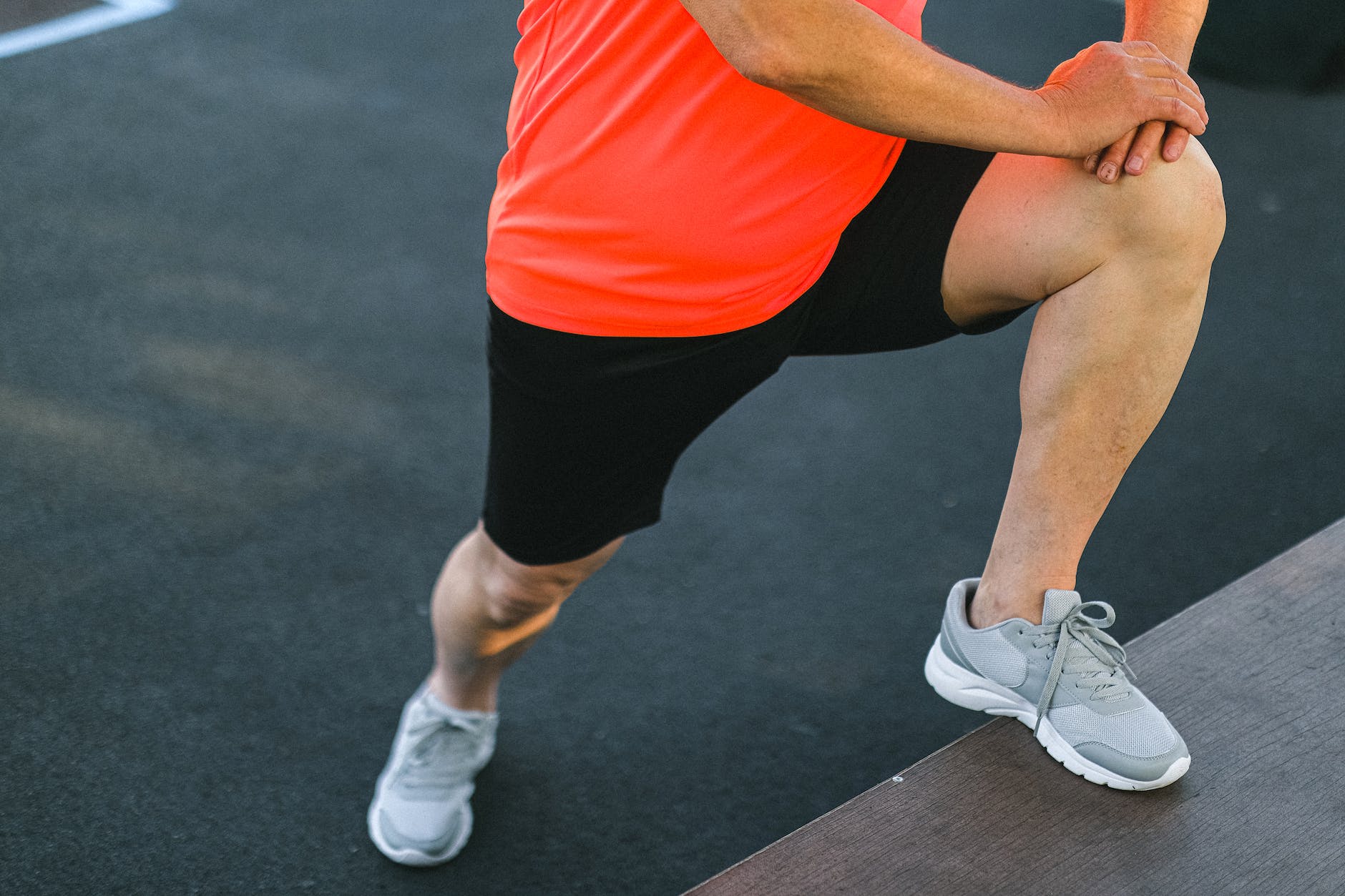
Here are some signs of Achilles tendonitis
- A small “lump” in the back of your heel. Put your hand down your calf and move all the way down to the tendon – it will feel like a taut band. A lump here may be a thickened tendon, which simply indicates irritation of the tendon or the tissue surrounding it.
- It’s painful to touch the back of your ankle (which is where your Achilles tendon is located). You can also simply think of this as the very bottom of your calf.
- Stiffness in the back of the ankle with the first few steps after a short period of inactivity. This means if you sit down for a while then go to walk, you have a lot of stiffness which decreases as you continue to move.
- Pain that goes away after some activity, but returns either during the activity and limits how long you can go for, or returns after the activity. Here’s an example: You wake up, your tendon is very stiff. You walk around for 10 minutes or so and you start to feel better. You decide to go on a long walk – your pain suddenly returns, and you aren’t able to walk as far as usual. Another example: You are able to go on a long walk with no pain. After you are done walking, you suddenly start to have a lot of pain.
Here are some of the ways we treat Achilles tendonitis
Please remember, this post is meant to be informational and does not replace medical advice. I always recommend seeing a medical professional for diagnosis as it is very easy to misdiagnose yourself.
Here are a few things you can try if you have Achilles tendonitis:
- Stretch your calf with your knee bent (I suggest holding 30 seconds, rest 10, then stretch another 30 seconds for 3 total sets of stretches. No pulsing, just a static stretch)
- Stretch your calf with your knee straight – same dosage as knee bent stretch
- Massaging the back of your calf. This can be done by a person, or with a foam roller
- Loading the tendon. There are many ways to do this. I suggest starting with going up on both toes, then lowering down using only the affected leg, for a slow count of 5 seconds. Repeat until mild discomfort is felt. This is usually anywhere from 20-30 reps but can vary greatly among individuals.
Rest is an important part of treatment
The evidence shows an increased risk of injury in patients who rest less than 10 days. This doesn’t mean that you can’t move at all for 10 days. “Rest” refers to abstaining from the aggravating activity. For most people this is running but I have also seen walking, cycling, and hiking cause pain. During your period of rest, I suggest performing the above exercises twice daily.
After your exercises your Achilles should feel better, not worse. If it is feeling worse the exercises either need to be modified to address your needs, or something else is going on.
Leave a Reply